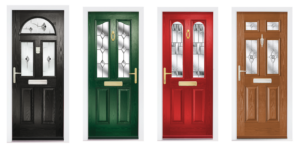
Understanding Composite Door Damage: Causes, Prevention, and Repair
Composite doors have actually gained tremendous popularity in the last few years due to their appealing look, resilience, and energy effectiveness. These doors are constructed from a range of materials, including wood, fiberglass, and PVC, which integrate to offer the best of all worlds. Nevertheless, like any other exterior aspect, composite doors are not invulnerable to damage. Understanding the different types of composite door damage, their causes, avoidance techniques, and repair methods can assist house owners make informed choices to safeguard their financial investments.
Kinds Of Composite Door Damage
Composite doors can experience several kinds of damage, each resulting from different causes. The most common forms of damage include:
- Surface Scratches and Dents: These are typically brought on by impacts from furnishings, heavy bags, or devices.
- Weathering or Fading: Continuous exposure to sunshine, rain, and other components can result in discoloration or fading of the door's finish.
- Warping: High humidity or moisture can trigger the door to warp, impacting its capability to close and seal effectively.
- Fractures and Splits: Temperature fluctuations can cause the materials in a composite door to broaden and contract, leading to fractures or divides.
- Water Damage: Prolonged direct exposure to moisture can lead to rot, particularly in the door's core or surrounding frame.
- Lock and Mechanism Failure: The door's locking mechanism might fail due to wear and tear or because of external impacts.
Reasons For Composite Door Damage
Comprehending the hidden aspects that result in composite door damage is important for avoidance. The primary causes consist of:
- Environmental Factors: Weather modifications can take a toll on composite doors. Intense sunshine can fade the door, while rain and humidity can cause swelling and contorting.
- Physical Impact: Regular wear and tear from everyday activities can result in scratches and dents. Additionally, improper handling throughout setup can cause long-term concerns.
- Poor Maintenance: Lack of routine maintenance, such as not cleaning up the door properly or ignoring to repaint it, can speed up wear and tear.
- Insufficient Sealing: If the door is not effectively sealed throughout setup, wetness can get in and damage the materials, leading to rot and mold growth.
Preventing Composite Door Damage
Preventing damage to composite doors relies heavily on proactive care and maintenance. Here are some vital techniques to secure your door:
- Regular Cleaning: Use a mild cleaning agent and water to clean up the door regularly. Prevent abrasive products that can scratch the surface area.
- Appropriate Sealing: Ensure that the door has actually been correctly sealed during installation to safeguard versus moisture invasion.
- Routine Inspections: Conduct periodic examinations of your door and its elements to capture any early indications of damage.
- Security from Physical Damage: Be mindful while moving heavy products around the door area. Consider setting up door stops to avoid impacts.
- Painting and Finishing: Refinish or repaint the door as required to keep its appearance and offer a protective layer against the elements.
- Install a Storm Door: A storm door can supply an extra layer of security versus extreme weather and include longevity to the main door.
Fixing Composite Door Damage
When damage does take place, different repair approaches can be utilized depending upon the intensity and type of damage.
For Surface Scratches and Dents:
- Buffing or Polishing: Use a light buffing compound to polish out little scratches.
- Touch-Up Paint: For deeper scratches, a touch-up paint that matches the door's color can disguise imperfections.
For Warping:
- Adjusting the Hinges: Sometimes, changing the hinges can deal with small warping concerns.
- Professional Help: Severely deformed doors might require experts to change or straighten them.
For Cracks and Splits:
- Epoxy or Filler: Small cracks can be filled with epoxy resin or specialized door fillers.
- Replacement Panels: In cases where the damage is comprehensive, think about changing the damaged panel.
For Water Damage:
- Drying: If water damage is spotted, the door needs to be dried thoroughly, and any decomposing materials changed.
- Sealant Application: Apply waterproof sealant to avoid future moisture infiltration.
For Lock and Mechanism Failures:
- Lubrication: Regularly lubricate the lock systems to guarantee smooth operation.
- Replacement Parts: If parts are damaged, replacement locks or mechanisms should be installed.
Frequently Asked Questions About Composite Door Damage
Q: How long does a composite door usually last?A: With
proper maintenance, composite doors can last up to 30 years or longer.
Q: Can I paint my composite door?A: Yes,
composite doors can be painted, however it is necessary to use the right kind of paint that works with the door's material.
Q: How do I know if my composite door needs repairs?A: Signs consist of visible warping, problem in locking/unlocking, or obvious water damage. composite door lock replacements Ladbroke Grove : Are composite doors more vulnerable to damage than wood doors?A: While each type of door has its vulnerabilities, composite doors are
typically more resistant to weather-related damage compared to conventional wooden doors. Q: What is the finest method to keep a composite door?A: Regular cleansing, annual examinations, and timely repairs are crucial for maintaining the durability of composite doors. Composite doors offer a fantastic combination of visual appeals, toughness, and energy performance. Nevertheless, like any home function, they are not
immune to damage. By comprehending the kinds of damage that can occur, the causes behind them, and reliable prevention and repair techniques, homeowners can ensure that their composite doors stay an important and attractive entryway for several years to come. Regular maintenance and attention to information can protect the appearance and integrity of these doors, enabling them to serve their function efficiently.